Day Rate to Salary Guide — Is Your Day Rate Good?
Day rates are common in contracting, consulting, and freelance work. But converting a day rate to a true annual equivalent — and then to take-home pay — involves more assumptions than people realise.
How to Convert a Day Rate to Annual Salary
The standard formula is: Day rate × working days per year.
A typical UK contractor works roughly 230 billable days per year after accounting for:
- 52 weekends × 2 days = 104 days off
- 8 public (bank) holidays
- ~20–25 days holiday
- Occasional gaps between contracts (5–10 days)
This leaves around 230–235 genuinely billable days.
Day Rate Conversion Table
| Day Rate | Annual (230 days) | Annual (252 days) | Monthly Take-Home (PAYE) |
|---|---|---|---|
| £150/day | £34,500 | £37,800 | ~£2,340 |
| £200/day | £46,000 | £50,400 | ~£2,960 |
| £250/day | £57,500 | £63,000 | ~£3,420 |
| £300/day | £69,000 | £75,600 | ~£3,870 |
| £400/day | £92,000 | £100,800 | ~£4,970 |
| £500/day | £115,000 | £126,000 | ~£6,030 |
PAYE take-home estimates are approximate, England rates, 2026/27, no pension.
Day Rate vs Permanent Salary — What's the Real Difference?
Contractors typically earn a 20–40% premium over equivalent permanent employees to compensate for:
- No employer pension contributions
- No paid holiday or sick leave
- No redundancy pay
- Gaps between contracts
- Cost of accountancy and professional indemnity insurance
- IR35 risk
As a rule of thumb, a £300/day contract is roughly equivalent to a £65,000–£70,000 permanent roleonce employment benefits are factored in.
Limited Company vs PAYE Contractor
Operating through a limited company (PSC) can be more tax-efficient if you're outside IR35. You draw a low salary (typically around £12,570) and pay the rest as dividends, which are taxed at a lower rate than income tax. On £69,000 gross, a limited company contractor outside IR35 might take home £51,000+ compared to around £46,500 via PAYE.
However, IR35 reforms mean many contracts — particularly in the public sector and with large private sector clients — are now assessed as inside IR35, removing the tax advantage.
Frequently Asked Questions
Career & Office Gear
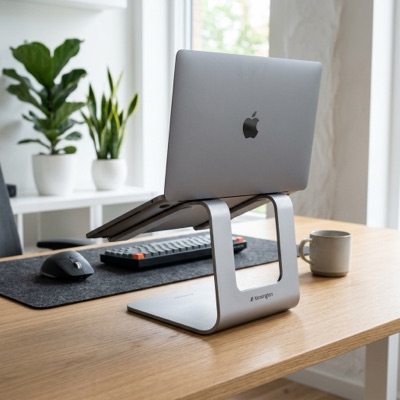
Office Gear
Premium Laptop Stand
Ergonomic aluminum stand for better posture and cooling.
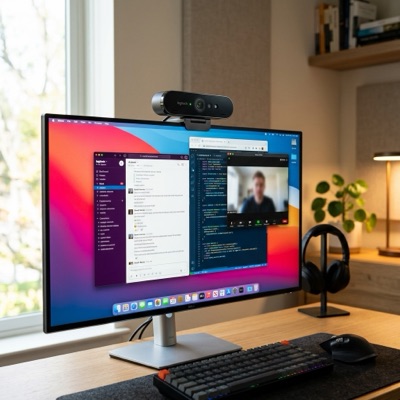
Office Gear
4K HD Webcam
Professional video quality for meetings and streaming.
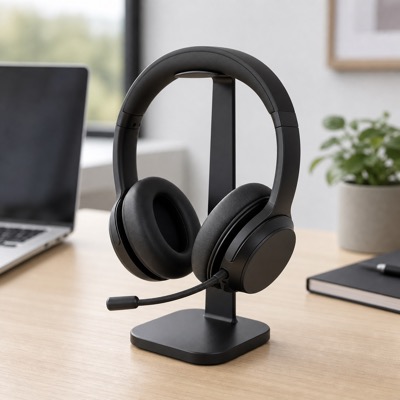
Office Gear
Wireless Headset
No hassle of wires, attend meetings from anywhere
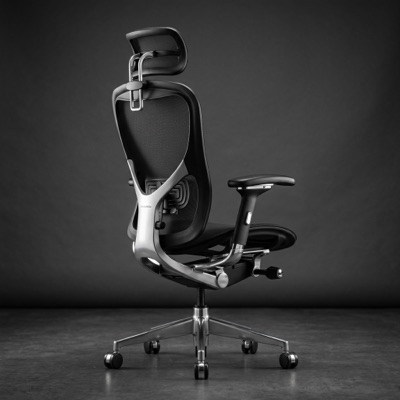
Office Gear
Ergonomic Office Chair
Maximum comfort for long working hours.
Office Gear
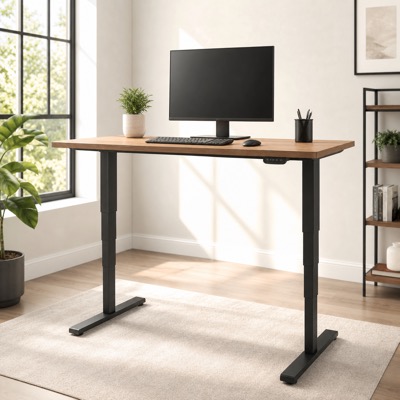
Standing Desk
Stay fit and active while working long hours.

Storage
Storage Cabinet
Stay organized and focused on your goals.

Storage
Book Case
Cheap but best book case you can get

Entertainment
L Shaped Gaming Desk
Enjoy your favourite games and stay organised
Lifestyle
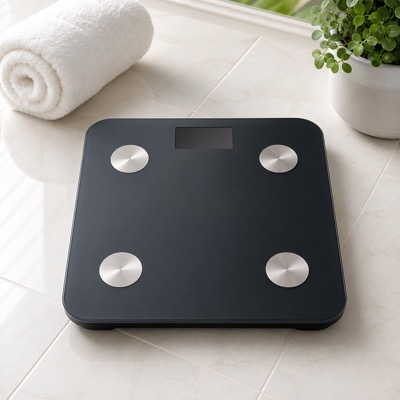
Weigh Scale
Keep a track on your fitness and health