Pro Rata Salary Calculator UK 2026/27
Recommended Gear
Sponsored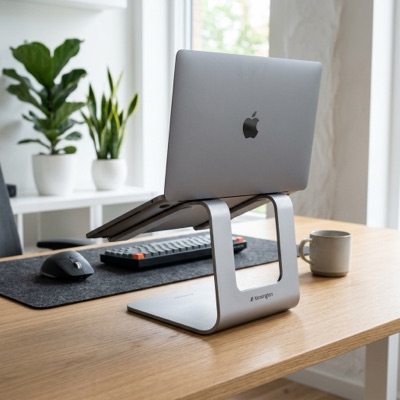
Premium Laptop Stand
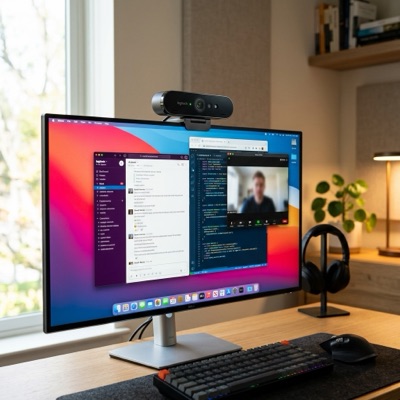
4K HD Webcam

Wireless Headset
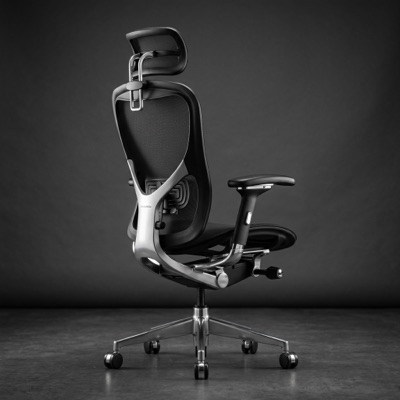
Ergonomic Office Chair
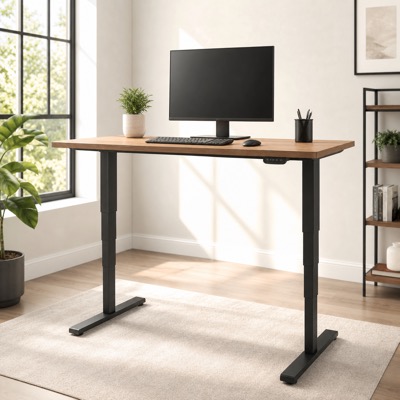
Standing Desk

Storage Cabinet

Book Case

L Shaped Gaming Desk
Weigh Scale
* As an Amazon Associate we earn from qualifying purchases. 100% curated for career growth.
Uses official UK tax rates for 2026/27 to convert a full-time salary into a pro-rata gross and net figure, with clear Income Tax and National Insurance estimates. It is built for pro rata calculator, pro rata salary calculator and part-time take home pay questions.
Enter your details to calculate
Pro-rata salary by percentage of full-time (2026/27)
The table below shows pro-rata gross salary at common working patterns — 20% (one day a week), 40% (two days), 50% (half-time), 60% (three days) and 80% (four days) of full-time — for a few common full-time salaries. Based on 260 working days a year, England/Wales/NI rates, 2026/27.
| % of full-time | £25,000 full-time | £35,000 full-time | £45,000 full-time |
|---|---|---|---|
| 20% | £5,000 | £7,000 | £9,000 |
| 40% | £10,000 | £14,000 | £18,000 |
| 50% | £12,500 | £17,500 | £22,500 |
| 60% | £15,000 | £21,000 | £27,000 |
| 80% | £20,000 | £28,000 | £36,000 |
260 working days/year baseline, England/Wales/NI rates, tax code 1257L, 2026/27 tax year. Figures shown are pro-rata gross salary.
How this pro-rata salary calculator works
Enter your full-time annual salary and choose whether to calculate by days or by hours. The calculator converts your inputs into a percentage of a full-time schedule and applies that percentage to your full-time salary to produce a pro-rata gross figure.
It then estimates Income Tax and National Insurance for the selected tax year to show a net pay estimate. You get annual and monthly net values plus the percentage of full-time used in the calculation.
What's included in the calculation
The calculator includes standard UK Income Tax bands and Class 1 National Insurance thresholds for the selected tax year, plus a standard personal allowance. This provides a reliable baseline for PAYE employees.
It does not include pension contributions, student loan repayments, salary sacrifice, or taxable benefits. If those apply, your actual take-home pay may be lower than shown.
Assumptions and rounding rules
The days mode assumes a full-time year of 260 working days, while the hours mode assumes 1,820 working hours. A standard tax code is used and the calculation uses England/Wales/NI bands. All values are rounded to the nearest penny and displayed as rounded currency figures.
If your contract uses a different working year or your pay varies, enter your actual paid days or hours for a closer estimate.
Worked examples
Example 1: A full-time salary of £40,000 with 156 days worked (60% of the year) gives a pro-rata gross of £24,000 and net pay around £20,800 per year (£1,733 per month).
Example 2: A full-time salary of £50,000 with 1,000 hours worked (about 55% of the year) gives a pro-rata gross near £27,473 and net pay around £23,300 per year.
Example 3: A £28,000 full-time salary with 130 days worked produces a pro-rata gross of £14,000 and net pay around £13,600 per year.
Frequently Asked Questions
Related calculators and guides
Check your estimates against other tools or explore the underlying tax rules.
- Salary Calculator to check the full-time salary before applying pro-rata.
- Take-Home Pay Calculator for a region-aware net pay estimate.
- Hourly to Salary Calculator to convert your rate before applying pro-rata.
- Net to Gross Calculator to work backwards from a net target.
- Salary Comparison Calculator to compare roles after tax.
- UK Income Tax Guide and National Insurance Guide for the rules behind the figures.
- Browse every tool on the salary calculator homepage.
Try our Pro tools
Get an instant AI match score for your CV against any job description, plus strengths, gaps, and missing keywords.
FreeGet a personalised career roadmap, skills gap analysis, and a 5-year salary forecast based on your profile.
FreeGet concrete ATS issues plus a fully rewritten, optimised CV you can download as a Word document.
Pro featureProperty & Rent Planning Tools
Planning your next move? Check out our partner tools for property rent evaluation, affordability, and planning across the UK.
Calculators & Tools
Career & Office Gear
Office Gear
Premium Laptop Stand
Ergonomic aluminum stand for better posture and cooling.
Office Gear
4K HD Webcam
Professional video quality for meetings and streaming.
Office Gear
Wireless Headset
No hassle of wires, attend meetings from anywhere
Office Gear
Ergonomic Office Chair
Maximum comfort for long working hours.
Office Gear
Standing Desk
Stay fit and active while working long hours.
Storage
Storage Cabinet
Stay organized and focused on your goals.
Storage
Book Case
Cheap but best book case you can get
Entertainment
L Shaped Gaming Desk
Enjoy your favourite games and stay organised
Lifestyle
Weigh Scale
Keep a track on your fitness and health