Higher Rate Tax Explained — 40% Tax in the UK
The higher rate of income tax — 40% in England, 42% in Scotland — is a common source of confusion. Many people think they'll lose nearly half their income once they breach the threshold, but that's not how the banded system works.
When Does 40% Tax Apply?
In England, Wales and Northern Ireland, the higher rate (40%) applies to income above £50,270in 2026/27. Only the income above that threshold is taxed at 40% — the rest is still taxed at 20% (basic rate) and 0% (personal allowance).
In Scotland, the higher rate (42%) begins at £43,663. Scotland also has an Advanced Rate of 45% above £75,000.
How Much Extra Tax Does Higher Rate Mean?
The basic rate band covers £37,700 of income (from £12,571 to £50,270). The maximum tax you pay in the basic rate band is £7,540 (20% × £37,700). After that, each extra pound costs 40p.
Example: £60,000 salary (England)
- Personal allowance: £12,570 @ 0% = £0
- Basic rate: £37,700 @ 20% = £7,540
- Higher rate: £9,730 @ 40% = £3,892
- Total income tax: £11,432
- Effective rate: 19.1% of gross income
- See full £60,000 breakdown →
Salary Thresholds at Key Higher Rate Points
| Salary | Income Tax | Effective Rate | Monthly Take-Home |
|---|---|---|---|
| £50,000 | £7,486 | 15.0% | ~£3,293 |
| £55,000 | £9,432 | 17.1% | ~£3,538 |
| £60,000 | £11,432 | 19.1% | ~£3,780 |
| £75,000 | £17,432 | 23.2% | ~£4,505 |
| £100,000 | £27,432 | 27.4% | ~£5,713 |
England, 2026/27. NI also applies — deducted separately.
How to Reduce Higher Rate Tax
- Pension contributions via salary sacrifice: Each £1 contributed reduces taxable income by £1, pushing it below the 40% band. If you're just over £50,270, even a modest pension contribution can save the 40% rate on that portion.
- Gift Aid: Charitable donations via Gift Aid extend your basic rate band by the grossed-up donation amount — effectively shifting some income back into the 20% band.
- Claim via Self Assessment: If your employer can't apply higher-rate relief directly, submit a Self Assessment return to reclaim the additional 20% on pension contributions or Gift Aid.
- Use your ISA allowance: While not a tax deduction, keeping investments and interest inside an ISA prevents that income from adding to your taxable total.
Frequently Asked Questions
Career & Office Gear
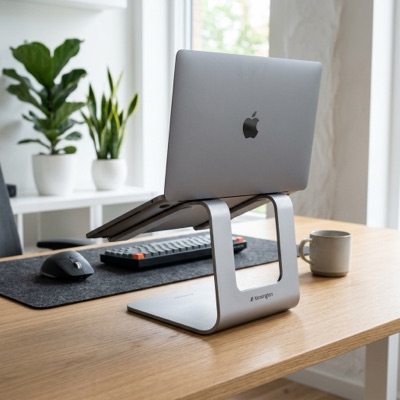
Office Gear
Premium Laptop Stand
Ergonomic aluminum stand for better posture and cooling.
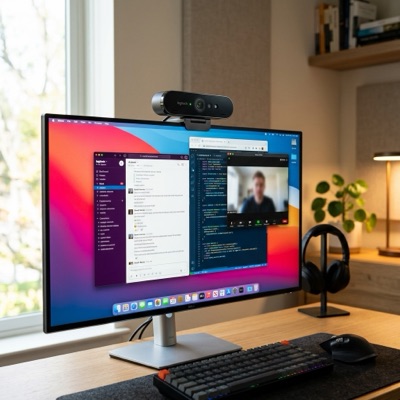
Office Gear
4K HD Webcam
Professional video quality for meetings and streaming.

Office Gear
Wireless Headset
No hassle of wires, attend meetings from anywhere
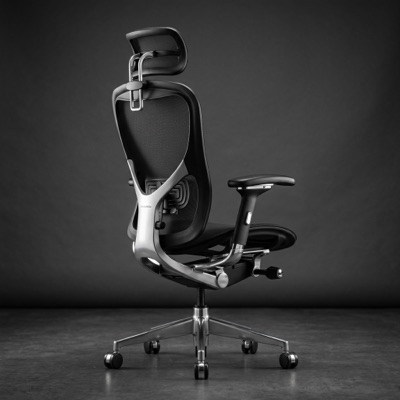
Office Gear
Ergonomic Office Chair
Maximum comfort for long working hours.

Office Gear
Standing Desk
Stay fit and active while working long hours.

Storage
Storage Cabinet
Stay organized and focused on your goals.

Storage
Book Case
Cheap but best book case you can get

Entertainment
L Shaped Gaming Desk
Enjoy your favourite games and stay organised
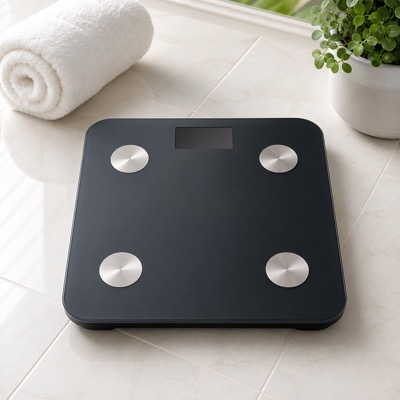
Lifestyle
Weigh Scale
Keep a track on your fitness and health