Pro Rata Salary Explained — How to Calculate Part-Time Pay
Pro rata means "in proportion." When a job ad says a role pays "£36,000 pro rata," it means that's the full-time equivalent salary — your actual pay will be proportionally lower based on the hours you work.
Pro Rata Salary Formula
Pro rata salary = Full-time salary × (your hours ÷ full-time hours)
Worked Examples
Full-time salary: £36,000 (37.5 hrs/week)
- 30 hrs/week → £36,000 × (30/37.5) = £28,800
- 22.5 hrs/week (3 days) → £36,000 × (22.5/37.5) = £21,600
- 18.75 hrs/week (2.5 days) → £36,000 × (18.75/37.5) = £18,000
Full-time salary: £50,000 (40 hrs/week)
- 32 hrs/week → £50,000 × (32/40) = £40,000
- 20 hrs/week → £50,000 × (20/40) = £25,000
Pro Rata for Fixed-Term or Mid-Year Starts
If you join or leave mid-year, your pay for that year is prorated by the number of days/weeks worked:
Payment = Annual salary × (days worked ÷ 365)
Example: £30,000 salary, start 1 October = 183 days remaining → £30,000 × (183/365) = £15,041
Pro Rata Holiday Entitlement
UK workers are entitled to 5.6 weeks of paid holiday per year, pro-rated for part-time workers. If you work 3 days per week (60% of full-time):
5.6 weeks × 3 days = 16.8 days (rounded up to 17 by most employers)
Use our Pro Rata Salary Calculator to calculate your exact figures.
Pro Rata Tax and Take-Home Pay
Your pro rata salary is your actual gross salary for tax purposes. Income tax, NI, pension contributions, and student loan are all calculated on this amount. Because pro rata salaries are often lower, many part-time workers pay a lower effective tax rate and retain more of their earnings proportionally.
Calculate Your Pro Rata Take-Home Pay
Frequently Asked Questions
Career & Office Gear
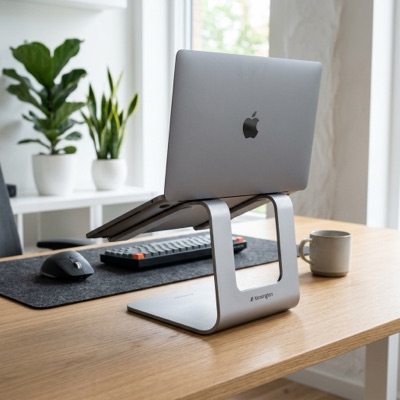
Office Gear
Premium Laptop Stand
Ergonomic aluminum stand for better posture and cooling.
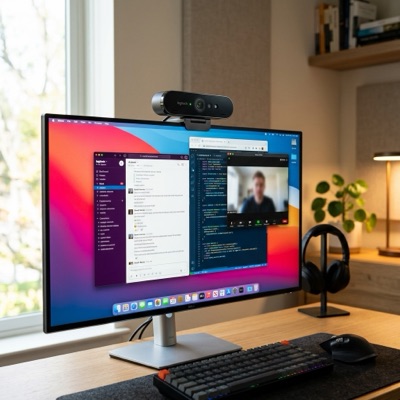
Office Gear
4K HD Webcam
Professional video quality for meetings and streaming.
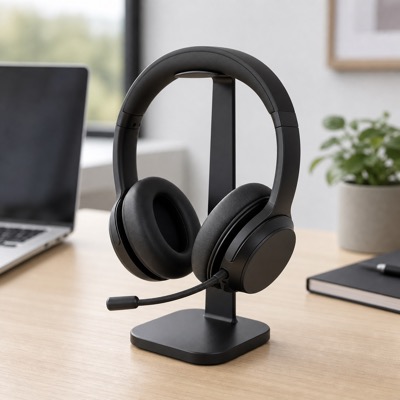
Office Gear
Wireless Headset
No hassle of wires, attend meetings from anywhere
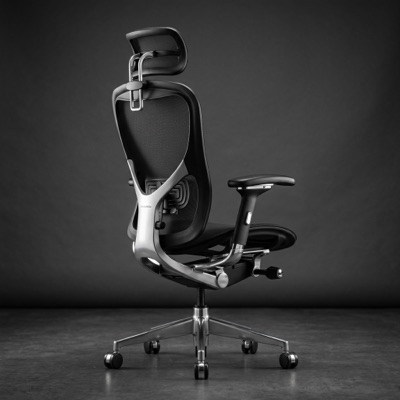
Office Gear
Ergonomic Office Chair
Maximum comfort for long working hours.
Office Gear
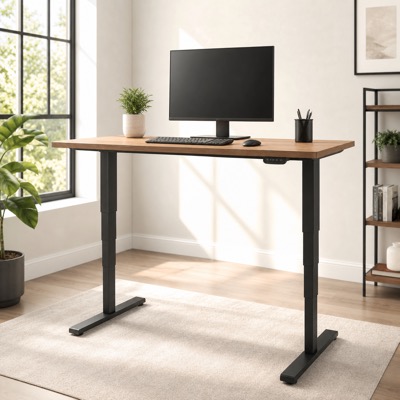
Standing Desk
Stay fit and active while working long hours.
Storage
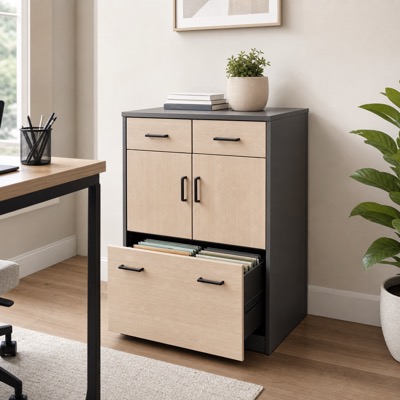
Storage Cabinet
Stay organized and focused on your goals.
Storage
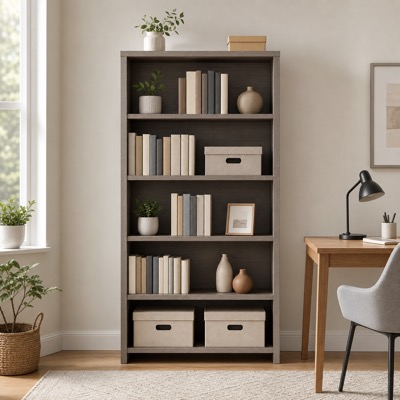
Book Case
Cheap but best book case you can get
Entertainment
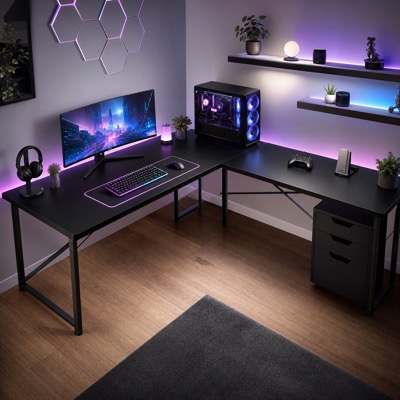
L Shaped Gaming Desk
Enjoy your favourite games and stay organised
Lifestyle
Weigh Scale
Keep a track on your fitness and health