Two Jobs and Tax — What You Need to Know
Having two jobs doesn't mean you pay more tax in total — but how that tax is collected can be confusing. Your personal allowance only applies once, and each employer withholds tax independently, which can lead to overpayments that need refunding at year end.
How the Personal Allowance Works Across Two Jobs
Everyone gets one personal allowance — £12,570 for 2026/27. HMRC allocates this to one job (normally your primary employer). Your secondary employer is then told to use a BR code, meaning all earnings from that job are taxed at 20% from the first penny.
You can ask HMRC to split the allowance across both jobs — for example £7,570 to job 1 and £5,000 to job 2. This smooths your monthly deductions and avoids a large year-end reconciliation.
Tax Codes for Second Jobs
| Code | What It Means | When Applied |
|---|---|---|
| BR | All income taxed at 20% | Most second jobs where personal allowance is on primary job |
| D0 | All income taxed at 40% | Second job income and your primary job already puts you in the higher rate band |
| D1 | All income taxed at 45% | Very high earners — already in additional rate band on main job |
| 0T | No personal allowance, basic then higher rate bands applied | Emergency or no P45 provided |
Worked Example: Two Jobs, Total £40,000
- Job 1: £28,000/year — tax code 1257L
- Tax: 20% × (£28,000 − £12,570) = £3,086
- Job 2: £12,000/year — tax code BR
- Tax: 20% × £12,000 = £2,400
- Total income tax: £5,486
- Compare to single employer: 20% × (£40,000 − £12,570) = £5,486 ✓ (same total)
National Insurance on Two Jobs
NI is calculated per employer, independently. Each job has its own NI threshold (£12,570 annual / £1,048 monthly). This means if both jobs pay above this threshold, you could pay 8% NI on both jobs' qualifying earnings.
Good news: HMRC automatically reconciles NI after the tax year. If you've overpaid because both jobs took NI over the Upper Earnings Limit (£50,270 combined), you'll receive a refund.
When Two Jobs Can Push You Into Higher Rate Tax
Income from both jobs is added together to determine your tax band. If your combined earnings exceed £50,270, the portion above that threshold is taxed at 40% — even if each individual job pays well below that level.
Example: Job 1 = £35,000, Job 2 = £20,000. Combined = £55,000. The £4,730 above £50,270 is taxed at 40%. Your second employer may not automatically apply this — HMRC may chase underpaid tax via your tax code the following year.
Tips to Get It Right
- Tell your new employer you have another job — don't hide it, as this causes incorrect codes
- Always provide your P45 from a previous job to avoid emergency codes
- Contact HMRC to split your personal allowance if both jobs pay similar amounts
- Check your payslips from both employers against expected deductions
- After each tax year ends, check for a P800 from HMRC — it may show a refund or underpayment
Calculate Your Two-Job Take-Home Pay
Frequently Asked Questions
Career & Office Gear
Office Gear
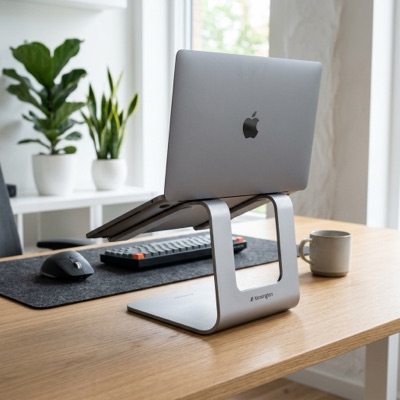
Premium Laptop Stand
Ergonomic aluminum stand for better posture and cooling.
Office Gear
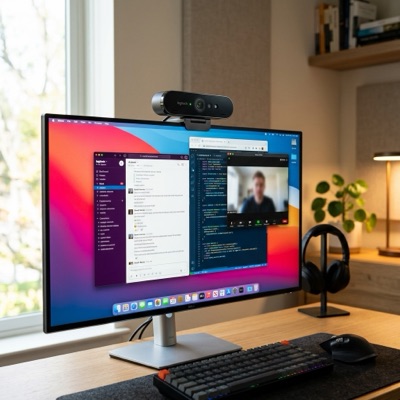
4K HD Webcam
Professional video quality for meetings and streaming.

Office Gear
Wireless Headset
No hassle of wires, attend meetings from anywhere
Office Gear
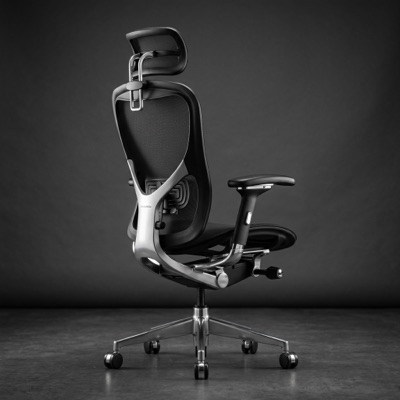
Ergonomic Office Chair
Maximum comfort for long working hours.

Office Gear
Standing Desk
Stay fit and active while working long hours.

Storage
Storage Cabinet
Stay organized and focused on your goals.

Storage
Book Case
Cheap but best book case you can get

Entertainment
L Shaped Gaming Desk
Enjoy your favourite games and stay organised
Lifestyle
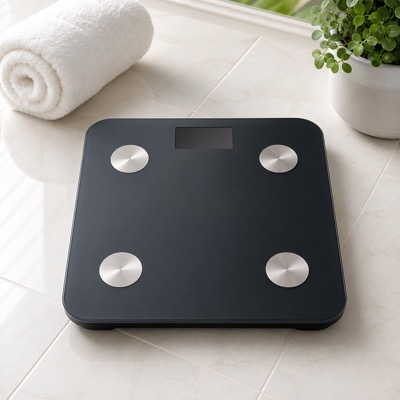
Weigh Scale
Keep a track on your fitness and health