£7,800/mo Net = £154,365 Gross
Recommended Gear
Sponsored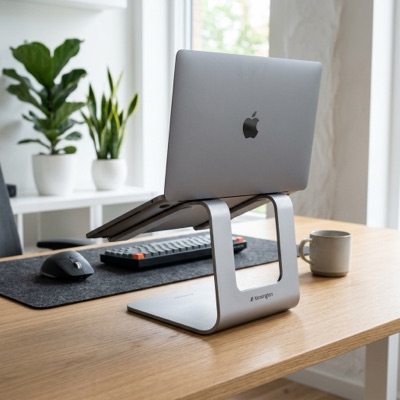
Premium Laptop Stand
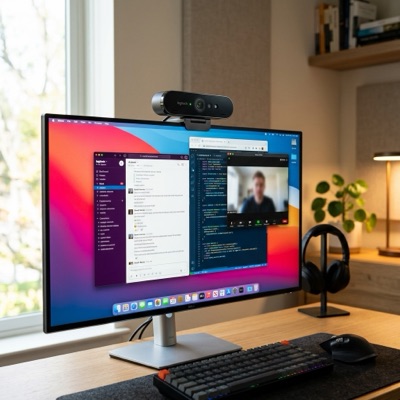
4K HD Webcam
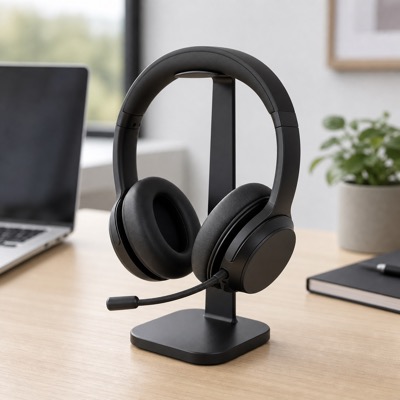
Wireless Headset
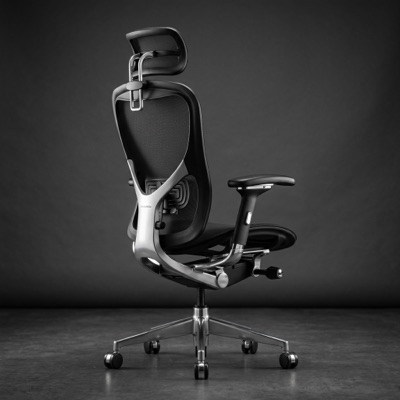
Ergonomic Office Chair
Standing Desk
Storage Cabinet

Book Case

L Shaped Gaming Desk
Weigh Scale
* As an Amazon Associate we earn from qualifying purchases. 100% curated for career growth.
This page answers a common salary-planning query: what gross salary produces a given net take-home amount? Enter a net target in the main calculator to test different values or tax-code scenarios.
Required Gross Salary
Gross Needed
£154,365
Target Net (Annual)
£93,600
Target Net (Monthly)
£7,800
Tax Breakdown
How the net-to-gross estimate works
For a target of £7,800 net per month, the calculator searches for a gross salary where estimated take-home pay lands close to your required net value after Income Tax and National Insurance. The result here is £154,365 gross, producing approximately £93,600 net per year under 2026/27 assumptions.
This page is designed for intent-driven searches like "gross for £3,000 net per month". It gives a direct answer first, then connects you to the main calculator where you can test different targets or compare monthly and annual plans with less friction.
Important assumptions
The result assumes England/Wales/NI bands, standard allowance handling, and no extra deductions such as pension contributions or student loans. If your situation includes those, you will usually need a higher gross salary than the baseline shown on this page.
Use this estimate to set a negotiation target or initial budget, then refine with the full tool and your own payslip context. That workflow keeps decisions fast while still giving you a realistic planning range.
Monthly pay breakdown for a £7,800 net per month target
If you are planning a salary negotiation around this target, here is how the gross and deductions break down on a monthly basis at the required gross salary of £154,365.
| Item | Monthly | Annual |
|---|---|---|
| Gross salary | £12,864 | £154,365 |
| Income Tax | −£4,639 | −£55,667 |
| National Insurance | −£425 | −£5,098 |
| Net take-home | £7,800 | £93,600 |
Figures based on 2026/27 England/Wales/NI rates, tax code 1257L. Pension and student loan deductions are not included.
Pension impact on your required gross salary
Workplace pension contributions (auto-enrolment minimum: 5% employee, 3% employer) reduce your take-home pay. If you want £7,800 net per month after both tax and pension contributions, you need a higher gross salary than the baseline £154,365 shown above.
Pension contributions also attract Income Tax relief — basic rate taxpayers get 20% back, so the real cost of a £2,202 pension contribution is closer to £1,762 from your take-home. Higher rate taxpayers can claim additional relief via self-assessment.
Context: understanding a gross salary of £154,365
This salary exceeds £125,140, where the 45% additional rate of Income Tax applies and the personal allowance has been fully withdrawn. Additional rate taxpayers represent the top 1–2% of UK earners. At this income level, tax-efficient structuring through pension contributions, salary sacrifice, and professional advice typically yields substantial savings — the marginal benefit of such planning is higher here than at any other income level.
The UK median full-time salary is £35,464 per year (ONS ASHE 2024). At £154,365.34, this salary is £118,901.34 (335%) above the national median. Earnings at this level represent the upper range of UK full-time pay — typically found in senior management, director-level roles, partner-level professional services, senior medical practitioners, and specialist technology or finance positions. Higher salaries of this scale tend to be most concentrated in London and the South East, but exist in specialist roles across all UK regions.
This income places the earner in the top 1% of UK taxpayers. No standard cost-of-living concerns apply at this level in any UK region. Financial planning at this income level focuses on tax structure, pension maximisation, investment allocation, and estate planning. The interplay between the additional rate, pension annual allowance tapering (which also begins above £200,000 for adjusted income), and other income sources makes specialist financial advice particularly valuable here.
Frequently Asked Questions
Nearby net-to-gross pages
Compare nearby target net values to plan your salary range faster.
Related calculators and guides
- Salary Calculator for the full deduction breakdown on a gross salary.
- Net to Gross Calculator to test different targets instantly.
- Take-Home Pay Calculator for custom tax codes and regional settings.
- Hourly to Salary Calculator if your pay starts as an hourly or day rate.
- Net to Gross Salary Explained — what net-to-gross means, why gross and net differ, and how deductions work.
- Tax Codes Guide — how your tax code changes the gross salary required to hit a net target.
- UK Income Tax Bands 2026/27 — see which rate applies to your required gross salary.
- UK Income Tax Guide and National Insurance Guide for deeper context on deductions.
- Browse every tool on the salary calculator homepage.
Try our Pro tools
Get an instant AI match score for your CV against any job description, plus strengths, gaps, and missing keywords.
FreeGet a personalised career roadmap, skills gap analysis, and a 5-year salary forecast based on your profile.
FreeGet concrete ATS issues plus a fully rewritten, optimised CV you can download as a Word document.
Pro featureProperty & Rent Planning Tools
Planning your next move? Check out our partner tools for property rent evaluation, affordability, and planning across the UK.
Calculators & Tools
Career & Office Gear
Office Gear
Premium Laptop Stand
Ergonomic aluminum stand for better posture and cooling.
Office Gear
4K HD Webcam
Professional video quality for meetings and streaming.
Office Gear
Wireless Headset
No hassle of wires, attend meetings from anywhere
Office Gear
Ergonomic Office Chair
Maximum comfort for long working hours.
Office Gear
Standing Desk
Stay fit and active while working long hours.
Storage
Storage Cabinet
Stay organized and focused on your goals.
Storage
Book Case
Cheap but best book case you can get
Entertainment
L Shaped Gaming Desk
Enjoy your favourite games and stay organised
Lifestyle
Weigh Scale
Keep a track on your fitness and health