£17,000 After Tax (Scot) = £15,799
Recommended Gear
Sponsored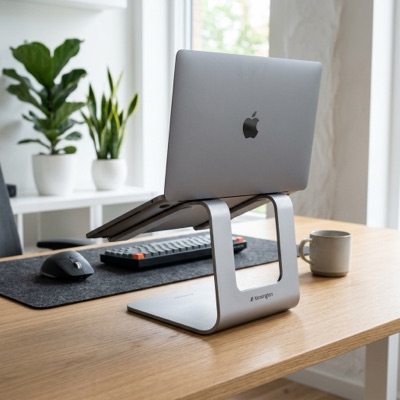
Premium Laptop Stand
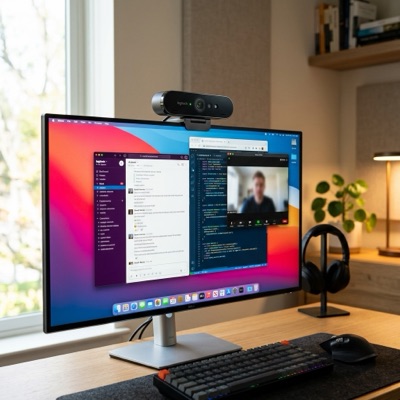
4K HD Webcam

Wireless Headset
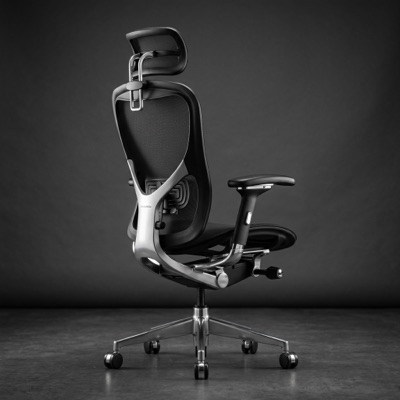
Ergonomic Office Chair
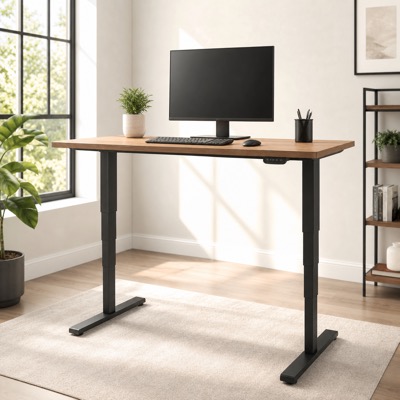
Standing Desk
Storage Cabinet

Book Case

L Shaped Gaming Desk
Weigh Scale
* As an Amazon Associate we earn from qualifying purchases. 100% curated for career growth.
This page pre-fills a £17,000 gross salary using Scotland rules for 2026/27, so you can quickly see the estimated take-home amount and deduction split without entering values manually.
Estimated Net Pay
Annual Net
£15,799
Monthly Net
£1,317
Weekly Net
£304
Daily Net
£61
Deduction Breakdown
Estimated take-home for a £17,000 salary
On a gross salary of £17,000 in Scotland, the estimated yearly take-home pay is £15,799 under 2026/27 rates. That is roughly £1,317 per month or £304 per week. These figures are useful for quick budgeting when you are comparing offers, reviewing a pay rise, or checking if your expected net pay is in the right range before your first payslip arrives.
This estimate is intentionally pre-filled, so you can see the outcome fast and then move to the full calculator if you need custom inputs such as a different tax code. For this salary level, total deductions are around £1,201, split between Income Tax and employee National Insurance. The effective deduction rate is 7.06%, which gives you a useful baseline when measuring the net value of each extra pound of salary.
Bands affected at this salary
The calculation starts with your personal allowance and then applies the Scotland Income Tax bands in sequence. At £17,000, your taxable income reaches the Basic Rate band. The list below shows which bands are active and approximately how much of your income is taxed at each rate.
- Starter Rate: £3,967 taxed at 19% (£754 tax).
- Basic Rate: £463 taxed at 20% (£93 tax).
Assumptions and reminders
This page assumes a standard PAYE setup, a default tax code of 1257L, and no additional deductions outside Income Tax and National Insurance. It does not include pension contributions, student loan repayments, benefits in kind, salary sacrifice, or workplace-specific adjustments. Those items can move your actual take-home number up or down.
Use this page as a high-intent estimate and then cross-check with your own details in the main calculator. That gives you a faster planning flow: quick read on this page, deeper adjustment in the full tool, then supporting context from the tax and National Insurance guides when you need to validate the numbers.
Net gain from a pay rise at £17,000
A pay rise does not translate pound-for-pound into take-home pay. At £17,000 in Scotland, your combined marginal rate is approximately 28% — meaning you keep around 72p from every extra £1 earned. The table below shows the estimated net gain from common pay rise amounts at this salary level.
| Pay rise | Extra take-home / year | Extra take-home / month |
|---|---|---|
| +£1,000 | +£720 | +£60 |
| +£2,000 | +£1,440 | +£120 |
| +£3,000 | +£2,160 | +£180 |
| +£5,000 | +£3,600 | +£300 |
Calculated using 2026/27 Scotland rates. Assumes same tax code and no other income changes.
Pension auto-enrolment at £17,000
If you are enrolled in a workplace pension, contributions are based on qualifying earnings — the slice of your income between £6,240 and £50,270 per year. At £17,000, qualifying earnings are £10,760.
Pension contributions reduce your immediate take-home but are offset partly by tax relief — basic rate taxpayers get 20% relief on contributions, so a £538 employee contribution effectively costs around £430 after relief. Higher rate taxpayers can claim additional relief through self-assessment.
How £17,000 compares to UK salary benchmarks
The UK median full-time salary is £35,464 per year (ONS ASHE 2024). At £17,000, this salary is £18,464 (52%) below that national benchmark. Below-median salaries are common in sectors such as retail, hospitality, social care, early-career administration, and entry-level roles across most industries — they are also typical for roles outside major cities and for workers earlier in their career progression.
This salary is well below the UK median and covers only basic living costs in lower-cost areas. In parts of the North East, Wales, or rural Northern Ireland — where average private rents for a one-bedroom property can be £500–£700/month — it is workable with careful management. In London and the South East, where one-bedroom rents often exceed £1,500–£2,000/month, this income level creates very significant financial pressure. Earners at this level may be eligible for means-tested support including Universal Credit, council tax reduction, or housing benefit, depending on their circumstances.
Frequently Asked Questions
Nearby salary pages
Explore close salary points and compare the same salary in a different UK tax region.
Related calculators and guides
Use these to test your exact scenario, convert rates, or understand the rules behind the estimate.
- Salary Calculator for the full deduction breakdown on this salary.
- Take-Home Pay Calculator for custom tax codes and direct input changes.
- Hourly to Salary Calculator to convert day, week, or hourly earnings into annual pay.
- Net to Gross Calculator if you have a target take-home amount and need the required gross salary.
- UK Tax Codes Explained — understand what your tax code means and how it affects your deductions.
- UK Income Tax Bands 2026/27 — see exactly which rate applies to each slice of your income.
- P45 and P60 Explained — what these documents are and when you need them for a new job or tax return.
- Why Was My Bonus Taxed So Much? — how bonuses are taxed on top of your salary and how to reduce the impact.
- UK Income Tax Guide and National Insurance Guide for rate and threshold context.
- Browse every tool on the salary calculator homepage.
- Scotland Income Tax Guide — how Scottish rates compare to England, Wales and Northern Ireland.
Try our Pro tools
Get an instant AI match score for your CV against any job description, plus strengths, gaps, and missing keywords.
FreeGet a personalised career roadmap, skills gap analysis, and a 5-year salary forecast based on your profile.
FreeGet concrete ATS issues plus a fully rewritten, optimised CV you can download as a Word document.
Pro featureProperty & Rent Planning Tools
Planning your next move? Check out our partner tools for property rent evaluation, affordability, and planning across the UK.
Calculators & Tools
Career & Office Gear
Office Gear
Premium Laptop Stand
Ergonomic aluminum stand for better posture and cooling.
Office Gear
4K HD Webcam
Professional video quality for meetings and streaming.
Office Gear
Wireless Headset
No hassle of wires, attend meetings from anywhere
Office Gear
Ergonomic Office Chair
Maximum comfort for long working hours.
Office Gear
Standing Desk
Stay fit and active while working long hours.
Storage
Storage Cabinet
Stay organized and focused on your goals.
Storage
Book Case
Cheap but best book case you can get
Entertainment
L Shaped Gaming Desk
Enjoy your favourite games and stay organised
Lifestyle
Weigh Scale
Keep a track on your fitness and health