PIP (Personal Independence Payment) — Rates & Eligibility
Recommended Gear
Sponsored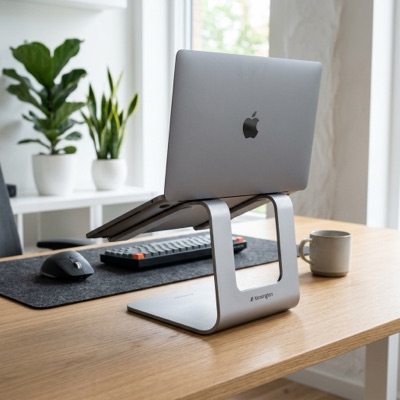
Premium Laptop Stand
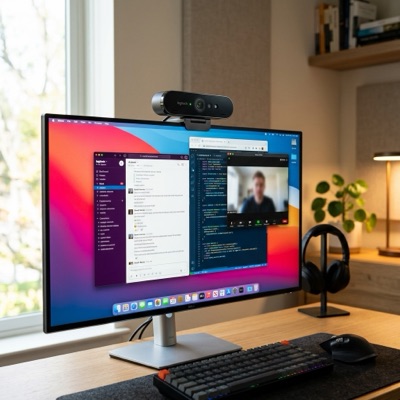
4K HD Webcam
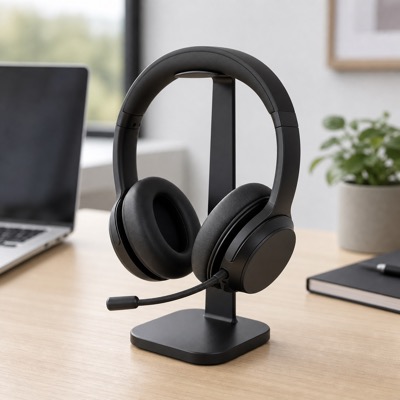
Wireless Headset
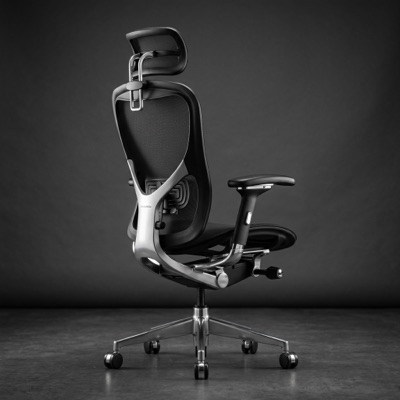
Ergonomic Office Chair
Standing Desk
Storage Cabinet

Book Case

L Shaped Gaming Desk
Weigh Scale
* As an Amazon Associate we earn from qualifying purchases. 100% curated for career growth.
Important
This tool provides an estimate based on the information you provide. It is not an official benefits eligibility assessment. Always confirm with the official GOV.UK service or your local council before making decisions.
What is PIP?
Tax-free money for people with a long-term physical or mental health condition or disability that makes everyday tasks or getting around difficult.
Who may qualify
- You're 16 or over and under State Pension age for a new claim
- You have a long-term physical or mental health condition or disability
- It makes everyday tasks (daily living) or getting around (mobility), or both, difficult
- You've typically needed this help for 3 months and expect it to continue for at least 9 more
- You live in the UK
Payment rates
| Component | Standard rate | Enhanced rate |
|---|---|---|
| Daily living | £76.70/week | £114.60/week |
| Mobility | £30.30/week | £80.00/week |
Not means-tested — your income and savings don't affect these rates.
How it's assessed, not calculated
Unlike most benefits on this site, PIP has no income/savings formula to run. Instead, DWP (or an assessment provider) scores how your condition affects you across a set of daily living and mobility activities, using points thresholds to decide whether you get the standard or enhanced rate of each component, or neither. This means a website questionnaire genuinely cannot tell you what you'd get — our Benefits Checker only confirms whether the basic gateway facts apply to you, and always points you to the official process for the real assessment.
How to apply
Start a claim by phone (or online in some areas) via GOV.UK, then complete the "How your disability affects you" (PIP2) form in detail — this is the single most important part of the process. Most claimants are then invited to an assessment, in person, by phone, or by video call.
Source: GOV.UK — PIP: How much you'll get — last reviewed 2026-10-05
Check officially on GOV.UK →Check your own situation
Use the Benefits Checker — see all 6 benefits at once →Frequently Asked Questions
Career & Office Gear
Office Gear
Premium Laptop Stand
Ergonomic aluminum stand for better posture and cooling.
Office Gear
4K HD Webcam
Professional video quality for meetings and streaming.
Office Gear
Wireless Headset
No hassle of wires, attend meetings from anywhere
Office Gear
Ergonomic Office Chair
Maximum comfort for long working hours.
Office Gear
Standing Desk
Stay fit and active while working long hours.
Storage
Storage Cabinet
Stay organized and focused on your goals.
Storage
Book Case
Cheap but best book case you can get
Entertainment
L Shaped Gaming Desk
Enjoy your favourite games and stay organised
Lifestyle
Weigh Scale
Keep a track on your fitness and health