Universal Credit — Eligibility, Rates & How to Apply
Recommended Gear
Sponsored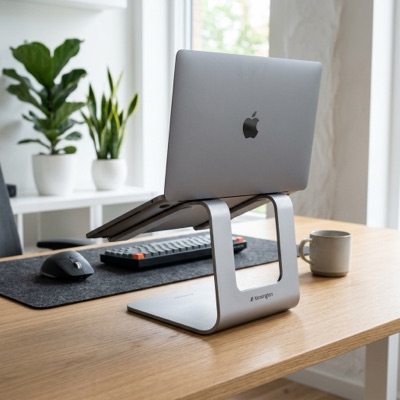
Premium Laptop Stand

4K HD Webcam

Wireless Headset
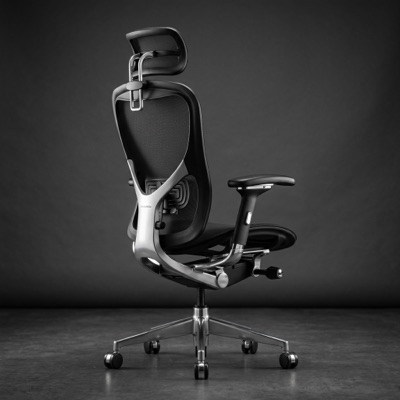
Ergonomic Office Chair

Standing Desk
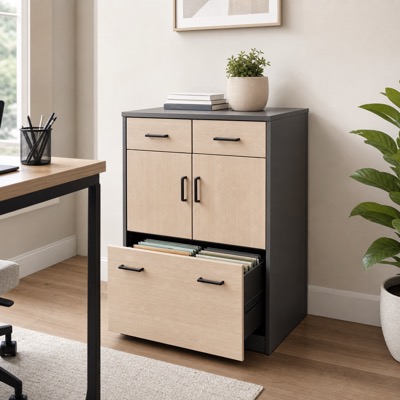
Storage Cabinet

Book Case

L Shaped Gaming Desk
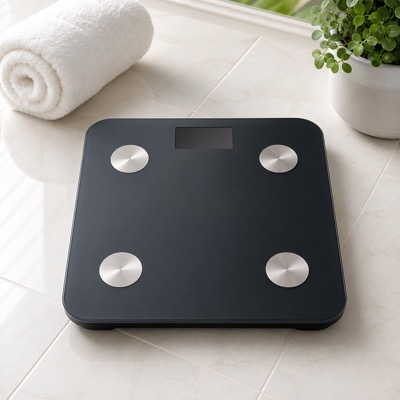
Weigh Scale
* As an Amazon Associate we earn from qualifying purchases. 100% curated for career growth.
Important
This tool provides an estimate based on the information you provide. It is not an official benefits eligibility assessment. Always confirm with the official GOV.UK service or your local council before making decisions.
What is Universal Credit?
A monthly payment for people on a low income or out of work, replacing six older means-tested benefits and tax credits. It's paid monthly (or twice-monthly in Scotland, by request) directly into your bank account.
Who may qualify
- You're aged 18 or over (16-17 year olds can claim in some circumstances — a health condition, caring responsibilities, pregnancy, or lacking parental support)
- You and your partner (if you have one) are both under State Pension age — if only one of you has reached it, you can usually still claim as a couple
- You live in the UK
- You and your partner have combined savings/capital under £16,000
Standard allowance (monthly)
| Household | Monthly amount |
|---|---|
| Single, under 25 | £338.58 |
| Single, 25 or over | £424.90 |
| Couple, both under 25 | £528.34 |
| Couple, one or both 25+ | £666.97 |
This is the base amount only — most households get more on top via the child element, housing costs element, disability/carer elements, or childcare costs element, where they apply.
Income and savings rules
Earned income reduces your Universal Credit via the taper: 55p lost for every £1 earned above your work allowance. The work allowance — only available if you have a child or limited capability for work — is £427/month if your award includes housing support, or £710/month if it doesn't. Without a work allowance, the taper applies from the first £1 you earn.
Savings and capital of £6,000 or less don't affect your award. Between £6,000 and £16,000, each £250 band (or part of one) reduces your monthly payment by £4.35. £16,000 or more and you generally can't get Universal Credit at all.
How it's calculated
DWP starts with your standard allowance, adds any elements you qualify for (children, housing, disability, carer, childcare), then deducts the capital taper (if applicable) and the earnings taper (if applicable). The result is your monthly Universal Credit payment. Because this depends on several interacting elements, our Benefits Checker only estimates the standard allowance minus the capital taper — it deliberately doesn't guess your earnings-taper reduction, since that needs your exact work allowance category.
How to apply
You apply online via your GOV.UK account. You'll need your bank details, an email address, and information about your housing, income and savings. Most new claimants also need a phone or in-person interview at a Jobcentre Plus soon after applying. Payments typically start five weeks after your application (an advance is available if you can't wait).
Source: GOV.UK — Universal Credit: What you'll get — last reviewed 2026-10-05
Check officially on GOV.UK →Check your own situation
Use the Benefits Checker — see all 6 benefits at once →Frequently Asked Questions
Career & Office Gear
Office Gear
Premium Laptop Stand
Ergonomic aluminum stand for better posture and cooling.
Office Gear
4K HD Webcam
Professional video quality for meetings and streaming.
Office Gear
Wireless Headset
No hassle of wires, attend meetings from anywhere
Office Gear
Ergonomic Office Chair
Maximum comfort for long working hours.
Office Gear
Standing Desk
Stay fit and active while working long hours.
Storage
Storage Cabinet
Stay organized and focused on your goals.
Storage
Book Case
Cheap but best book case you can get
Entertainment
L Shaped Gaming Desk
Enjoy your favourite games and stay organised
Lifestyle
Weigh Scale
Keep a track on your fitness and health