£135 a Day = £35,100 a Year
This page is pre-filled for £135 per day in Scotland and uses 5 days per week and 52 weeks per year to convert to annual gross salary, then applies UK deductions for a quick take-home estimate.
Converted Salary
Annual Gross Salary
£35,100
Annual Net
£28,776
Monthly Net
£2,398
Weekly Net
£553
Daily Net
£111
Deduction Breakdown
Assumptions: 5 days per week and 52 weeks per year, 2026/27 rates, Scotland tax bands, and tax code 1257L.
How this conversion is calculated
To convert £135 per day into salary, the page annualises your rate using a standard UK working pattern. That produces a gross annual figure of £35,100. Income Tax and National Insurance are then estimated using current bands and thresholds for 2026/27in Scotland.
The output is useful for quick job-offer checks, contract-to-permanent comparisons, and budgeting before payroll starts. Because this page is pre-filled, you can confirm the baseline immediately and then move into the interactive calculator if your weekly hours, days, or tax setup differ from the default pattern.
Assumptions you should check
Real take-home pay can differ when overtime premiums, unpaid leave, variable shifts, pension deductions, or student loans apply. This page intentionally keeps assumptions simple so the result loads quickly and stays easy to compare across many rate points.
For final planning, open the main calculator and tailor inputs to your exact schedule. If you are paid under a different tax region, use the alternate region link in the section below.
Net pay per day actually worked at £135/day
Your gross rate is £135 per day, but what you actually keep per day of work is lower once tax and NI are deducted. Based on 5 days per week and 52 weeks per year in Scotland for 2026/27, the estimated net pay per day worked is £110.68.
This effective net rate is useful when comparing offers or when bidding a contract — it shows what your time is actually worth after the government takes its share. For comparison, the gross-to-net efficiency at this rate is approximately 82%, meaning you retain 82p from every £1 of gross earnings.
Permanent employment vs contracting at £135 per day
The 5 days per week and 52 weeks per year assumption used on this page treats the rate as if you work all 52 weeks. In practice, UK workers are entitled to at least 28 days (5.6 weeks) of paid statutory holiday per year. For a permanent employee, this holiday is paid — so the 52-week gross of £35,100 already accounts for it.
For contractors or freelancers, holiday is typically unpaid. Working only the effective 46.4 weeks (52 minus 5.6 holiday weeks) at £135 per day gives a reduced annualised income of approximately £31,320 — around £3,780 less than the headline 52-week figure. Contractors should factor this into their rate when comparing against permanent offers, along with the absence of employer pension contributions, sick pay, and other employment benefits.
What £135 per day means as a UK salary
In Scotland, this income crosses into the intermediate rate band — Income Tax of 21% applies on earnings between £29,526 and £43,663. This rate sits above England's 20% basic rate but well below England's 40% higher rate threshold. Scottish earners in this band usually pay a similar amount of Income Tax to equivalent earners in England and Wales, with the gap widening once earnings move further into the band.
At £35,100, this salary is very close to the UK median full-time salary of £35,464 per year (ONS Annual Survey of Hours and Earnings, 2024). The median is the statistical midpoint — exactly half of all full-time UK employees earn less, and half earn more. Salaries near the median are found across a wide range of industries, regions, and experience levels.
At or near the UK median, this salary supports a stable lifestyle with modest savings potential in most UK regions. Home ownership becomes a realistic medium-term goal in many parts of the Midlands, Yorkshire, the North West, and Scotland, where typical house prices allow a 5–10% deposit to be saved over several years at this income. In London, the same salary provides stability for renters in outer boroughs but leaves very limited capacity to accumulate the deposit — typically £50,000–£100,000+ — needed to buy even modestly priced London property.
Frequently Asked Questions
Nearby rate conversion pages
Explore nearby day rates to compare gross and net pay without re-entering values.
Related calculators and guides
- Salary Calculator for the full deduction breakdown on an annual salary.
- Hourly to Salary Calculator to adjust hours, days, or input mode.
- Take-Home Pay Calculator for Scotland support and tax code options.
- Net to Gross Calculator to reverse-plan a salary target.
- Day Rate to Salary Guide — is your day rate competitive? How it compares to equivalent salaries.
- UK Tax Codes Explained — how your tax code affects take-home on contract or PAYE income.
- What is Take-Home Pay? and UK Income Tax Guide for context on deductions.
- Browse every tool on the salary calculator homepage.
Try our Pro tools
Get an instant AI match score for your CV against any job description, plus strengths, gaps, and missing keywords.
FreeGet a personalised career roadmap, skills gap analysis, and a 5-year salary forecast based on your profile.
FreeGet concrete ATS issues plus a fully rewritten, optimised CV you can download as a Word document.
Pro featureProperty & Rent Planning Tools
Planning your next move? Check out our partner tools for property rent evaluation, affordability, and planning across the UK.
Calculators & Tools
Career & Office Gear
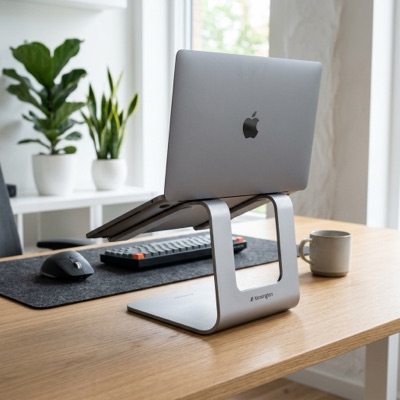
Office Gear
Premium Laptop Stand
Ergonomic aluminum stand for better posture and cooling.
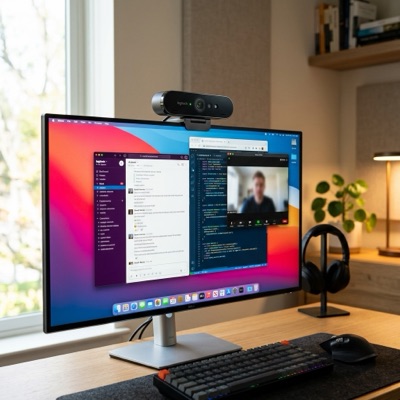
Office Gear
4K HD Webcam
Professional video quality for meetings and streaming.
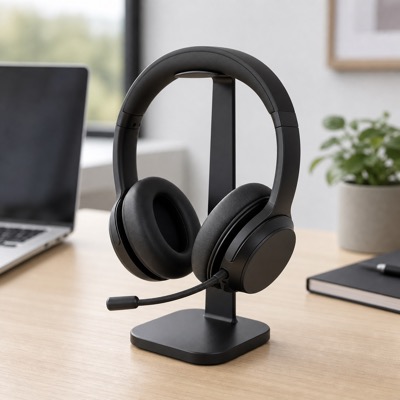
Office Gear
Wireless Headset
No hassle of wires, attend meetings from anywhere
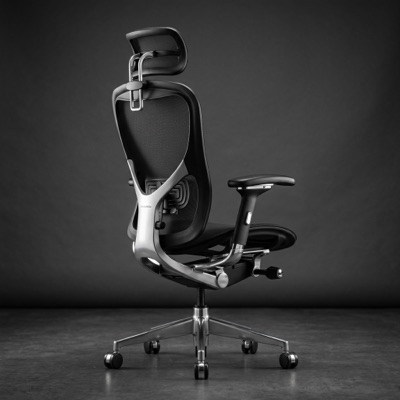
Office Gear
Ergonomic Office Chair
Maximum comfort for long working hours.
Office Gear
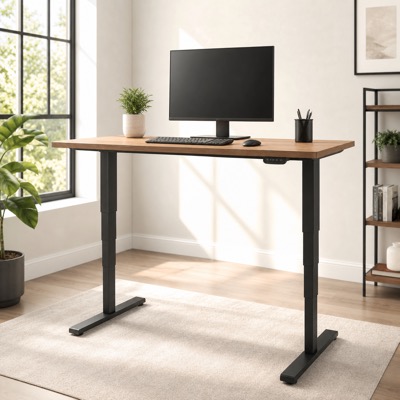
Standing Desk
Stay fit and active while working long hours.
Storage
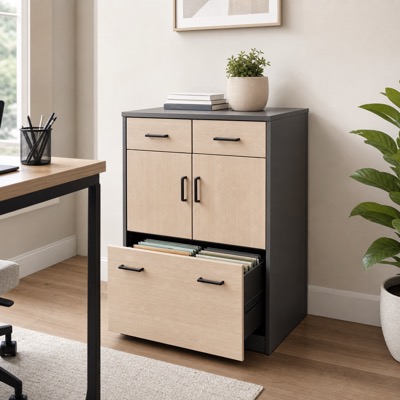
Storage Cabinet
Stay organized and focused on your goals.

Storage
Book Case
Cheap but best book case you can get

Entertainment
L Shaped Gaming Desk
Enjoy your favourite games and stay organised
Lifestyle
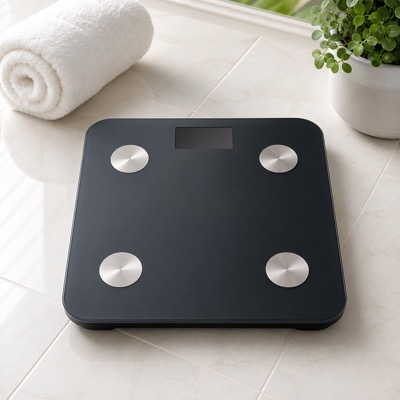
Weigh Scale
Keep a track on your fitness and health