£2,300 a Week = £1,370 Take-Home
This page is pre-filled for a gross weekly salary of £2,300 in Scotland. Using 52 weeks per year, the annual gross is £119,600. 2026/27 Income Tax and National Insurance are then applied for a quick take-home estimate.
Estimated Take-Home Pay
Weekly Net Pay
£1,370
Annual Gross
£119,600
Annual Net
£71,235
Monthly Net
£5,936
Daily Net
£274
Deduction Breakdown
Assumes 52 weeks/year, 2026/27 rates, Scotland tax bands, and tax code 1257L.
How much is £2,300 a week after tax in Scotland?
Multiplying £2,300 per week by 52 gives an annual gross salary of £119,600. After applying 2026/27 Income Tax and employee National Insurance in Scotland, the estimated annual take-home is £71,235 — equivalent to £1,370 per week or £5,936 per month.
The effective deduction rate on this salary is 40.44%. This is the percentage of gross income taken by PAYE deductions — useful when comparing job offers or assessing the net value of a pay rise.
What this estimate includes and excludes
This estimate covers Income Tax and employee National Insurance using a standard 1257L tax code. Pension contributions, student loan repayments, salary sacrifice, and any other deductions are not included. If those apply to you, use the main Take-Home Pay calculator for a tailored result.
Scotland and England use different Income Tax rates on income above the personal allowance. This page uses Scotland rates. Switch to the alternate region link below to compare the same weekly pay under different rules.
Equivalent day rate and hourly rate for £2,300/week
If you work a standard 5-day, 37.5-hour week, a gross weekly rate of £2,300 translates to:
Equivalent day rate (÷5)
£460/day
Equivalent hourly rate (÷37.5h)
£61.33/hour
Annual gross (×52 weeks)
£119,600
Annual net (estimated)
£71,235
You retain approximately 60p in every £1 of gross weekly earnings after Income Tax and National Insurance at this salary level in Scotland.
Annual leave and effective earnings at £2,300/week
UK workers are entitled to a statutory minimum of 28 days (5.6 weeks) of paid annual leave per year. For permanent employees this holiday is paid, so the annual gross of £119,600 already includes all 52 weeks. For freelancers and self-employed workers paid per week of work, the picture is different.
A freelancer earning £2,300 per week of actual work, taking the full 5.6 weeks of unpaid holiday, earns approximately £106,720 per year — around £12,880 less than the 52-week headline figure. This is one of the reasons contract and freelance rates are typically set higher than permanent equivalents: to compensate for unpaid leave, self-employed NI contributions, no employer pension, and the absence of sick pay or other employment benefits.
Scotland vs England take-home at £2,300/week
The same weekly gross of £2,300 produces different annual take-home pay depending on your region of tax residence. Scotland has its own Income Tax bands; National Insurance is set at UK level and is identical in both regions.
| Region | Annual net | Weekly net | Total deductions |
|---|---|---|---|
| England, Wales & NI | £76,005 | £1,462 | −£43,595 |
| Scotland | £71,235 | £1,370 | −£48,365 |
The £4,770/year difference reflects Scotland's divergent Income Tax bands, which apply from the first pound above the personal allowance.
How £2,300/week compares to UK earnings
The UK median full-time salary is £35,464 per year (ONS ASHE 2024). At £119,600, this salary is £84,136 (237%) above the national median. Earnings at this level represent the upper range of UK full-time pay — typically found in senior management, director-level roles, partner-level professional services, senior medical practitioners, and specialist technology or finance positions. Higher salaries of this scale tend to be most concentrated in London and the South East, but exist in specialist roles across all UK regions.
At this income level, cost-of-living concerns are not a practical constraint in any UK region. Financial decisions are driven almost entirely by tax efficiency and wealth planning considerations — and the personal allowance taper (£100,000–£125,140) makes this a critical range for pension contribution planning and salary sacrifice. Pension contributions that bring gross income below £100,000 can restore the personal allowance and deliver a 60% effective rate of relief on the contribution. Earners in this zone are in the top 2–3% of UK taxpayers.
Frequently Asked Questions
Nearby weekly salary pages
Explore close weekly salary points and compare the same amount in a different UK tax region.
Related calculators and guides
- Salary Calculator for the full annual deduction breakdown.
- Take-Home Pay Calculator for custom tax codes, pension deductions, and student loans.
- Hourly to Salary Calculator to convert an hourly rate to an annual equivalent.
- Net to Gross Calculator if you have a target take-home and need the required gross salary.
- UK Tax Codes Explained — what your tax code means and how it changes your weekly take-home.
- UK Income Tax Bands 2026/27 — which rate applies to each slice of annual income.
- Pro Rata Salary Guide — if your weekly hours are less than full-time, see how pro-rata pay is calculated.
- UK Income Tax Guide and National Insurance Guide for rate and threshold context.
- Browse every tool on the salary calculator homepage.
Try our Pro tools
Get an instant AI match score for your CV against any job description, plus strengths, gaps, and missing keywords.
FreeGet a personalised career roadmap, skills gap analysis, and a 5-year salary forecast based on your profile.
FreeGet concrete ATS issues plus a fully rewritten, optimised CV you can download as a Word document.
Pro featureProperty & Rent Planning Tools
Planning your next move? Check out our partner tools for property rent evaluation, affordability, and planning across the UK.
Calculators & Tools
Career & Office Gear
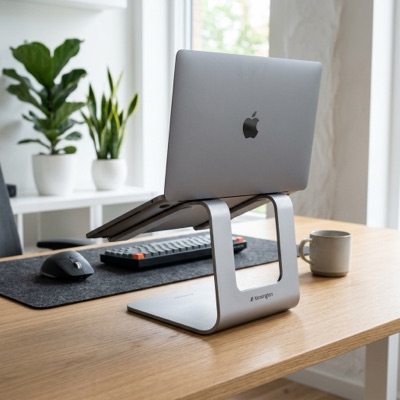
Office Gear
Premium Laptop Stand
Ergonomic aluminum stand for better posture and cooling.
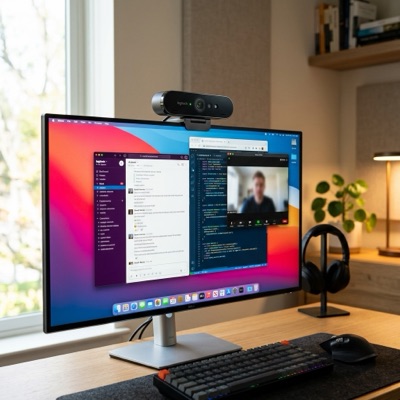
Office Gear
4K HD Webcam
Professional video quality for meetings and streaming.
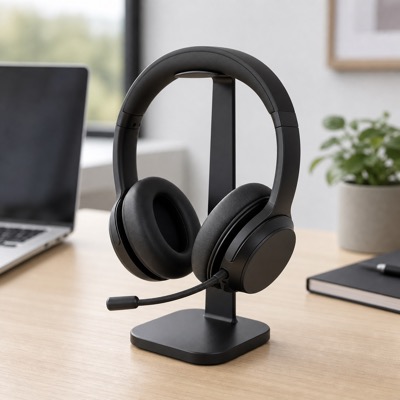
Office Gear
Wireless Headset
No hassle of wires, attend meetings from anywhere
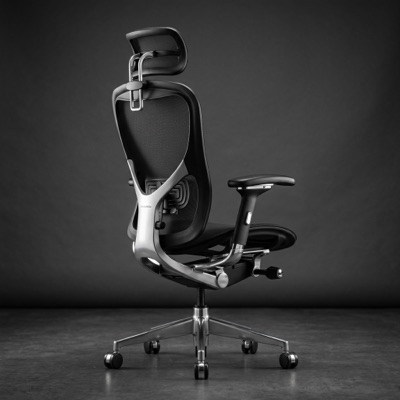
Office Gear
Ergonomic Office Chair
Maximum comfort for long working hours.
Office Gear
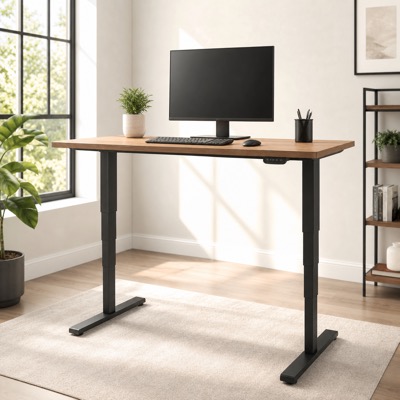
Standing Desk
Stay fit and active while working long hours.
Storage
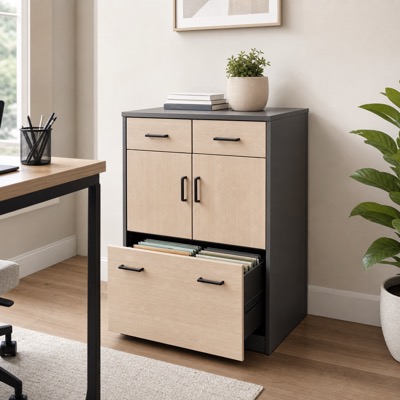
Storage Cabinet
Stay organized and focused on your goals.

Storage
Book Case
Cheap but best book case you can get

Entertainment
L Shaped Gaming Desk
Enjoy your favourite games and stay organised
Lifestyle
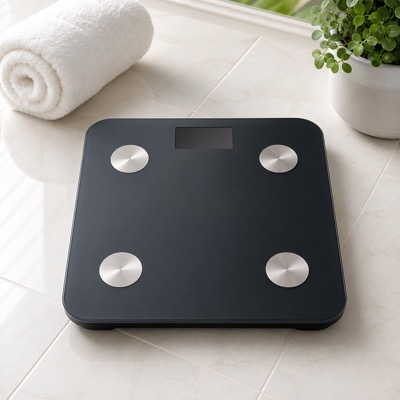
Weigh Scale
Keep a track on your fitness and health